

bingo casino: análisis completo del año
bingo casino es un reflejo perfecto de cómo los clásicos se adaptan a la era digital, manteniendo su esencia a la vez que incorporan ventajas como la automatización y la accesibilidad. Este equilibrio entre tradición e innovación explica su constante relevancia. bingo casino sin descarga representa esa misma dualidad, con un formato clásico que encuentra nuevas vías de expresión gracias a la tecnología.
Ver también:
- Aspectos clave de bingo de casino
- ¿Qué debes saber antes de usar bingo de casino?
- bingo casino en Cifras Clave
- Bonos y Promociones de Bingo y Lotería en bingo casino
- Guía rápida: entradas disponibles con bingo casino sin descarga
- Métodos de Pago en bingo casino
- bingo casino Bingo y Lotería en Imágenes
- Guía rápida de bingo casino sin descarga: preguntas y respuestas
- Herramientas de Autoexclusión de bingo casino
Aspectos clave de bingo de casino
el gordo, un término que resuena con la riqueza cultural y la tradición de la lotería española, no es simplemente un sorteo, sino un fenómeno social que une a familias, amigos y comunidades enteras en una celebración anual que se remonta a más de dos siglos. Conocido oficialmente como el Sorteo Extraordinario de Navidad, este evento, que se celebra cada 22 de diciembre, ha evolucionado desde sus humildes comienzos en 1812, cuando se instituyó para recaudar fondos para las arcas públicas sin aumentar la carga fiscal, hasta convertirse en el concurso de lotería con mayor participación del mundo, con un pozo de premios que supera los miles de millones de euros. La esencia de ‘el gordo’ trasciende lo meramente económico; es un ritual colectivo que impregna cada rincón de España, desde las bulliciosas calles de Madrid, donde el Teatro Real y la Puerta del Sol se convierten en epicentros de la esperanza, hasta los pequeños pueblos donde la administración local vende décimos con números que se convierten en talismanes de buena fortuna. La tradición comienza mucho antes del sorteo, cuando en octubre las administraciones decoran sus escaparates con motivos navideños y los ciudadanos hacen cola para adquirir sus boletos, a menudo eligiendo números con significado personal: fechas de nacimiento, aniversarios, o simplemente números que han sido bendecidos por la superstición popular, como el 13, que en este contexto se considera afortunado en lugar de nefasto. La compra de participaciones es un acto comunitario; es común que compañeros de trabajo, clubes deportivos, bares y asociaciones locales compren series completas y las repartan entre sus miembros, creando así una red de solidaridad que asegura que si un número resulta premiado, la alegría se multiplica y se comparte entre decenas de personas. El día del sorteo, millones de españoles se reúnen frente a televisores, radios o en lugares públicos para seguir en directo la ceremonia, que tiene lugar en el Salón de Sorteos de Loterías y Apuestas del Estado, donde dos niños de San Ildefonso, vestidos con trajes tradicionales, entonan los números y premios con su característica voz cantarina, un espectáculo que ha sido transmitido desde 1957 y que se ha convertido en un icono de la cultura popular. La tensión se palpa en el ambiente mientras los bombos giran y las bolas de madera, numeradas del 0 al 99, se mezclan con las bolas de premios, y cada extracción es recibida con gritos de júbilo o suspiros de decepción, dependiendo de si el número coincide con el boleto que uno posee. El premio gordo, que en la edición de 2023 alcanzó los 4 millones de euros por serie (400.000 euros por décimo), no es solo una cantidad monetaria, sino un cambio de vida para los afortunados, que a menudo declaran que lo primero que harán es pagar deudas, ayudar a sus seres queridos, y luego quizás darse un capricho como un viaje o un coche nuevo. Sin embargo, más allá de los ganadores, el sorteo tiene un impacto macroeconómico notable: se estima que cada español gasta una media de 65 euros en lotería, lo que inyecta miles de millones en la economía, y las administraciones locales, especialmente en zonas rurales, experimentan un aumento significativo en sus ventas durante la temporada navideña. La historia de ‘el gordo’ está llena de anécdotas curiosas: desde el número 13 que ha sido el más vendido históricamente, pasando por la coincidencia de que el premio haya caído en la misma administración en años consecutivos, hasta el caso de un pueblo que ganó el gordo varias veces y se convirtió en un destino turístico de la suerte. Además, el sorteo no es solo una cuestión de azar, sino que también se ha convertido en un objeto de estudio para estadísticos y sociólogos, que analizan patrones de compra, la distribución geográfica de los premios y el comportamiento humano ante la incertidumbre. En los últimos años, la digitalización ha transformado la forma de participar: ahora se pueden comprar décimos en línea, y las aplicaciones móviles permiten verificar los números al instante, aunque la tradición de acudir a la administración en persona sigue siendo fuerte, especialmente entre los mayores. El sorteo también tiene una dimensión solidaria, ya que una parte de los ingresos se destina a fines sociales y culturales, y muchas organizaciones benéficas compran participaciones como forma de recaudar fondos.
¿Qué debes saber antes de usar bingo de casino?
¡Línea! The word echoes through the narrow cobblestone alleyways of the old city, bouncing off the ochre walls of buildings that have stood for centuries, their facades cracked and weathered by time and the relentless Mediterranean sun. It is a cry that carries both urgency and familiarity, a signal that cuts through the ambient noise of market vendors haggling over ripe tomatoes, the distant clang of a blacksmith’s hammer, and the laughter of children chasing a stray dog. In the bustling plaza, where the morning light spills golden over the fountain’s marble basin, the call draws immediate attention. A young woman, her dark hair tied back in a practical knot, looks up from her stall of embroidered linens, her fingers pausing mid-stitch. She knows that voice—it belongs to the old fisherman, Mateo, who has worked the docks for over fifty years, his skin leathered like the sails of his boat. He stands at the edge of the crowd, waving his weathered cap, his eyes scanning the sea of faces for the one he seeks. "¡Línea!" he repeats, louder this time, his voice cracking with the strain of shouting over the din. The word means "line" in Spanish, but here it is more than a simple noun; it is a summons, a call to action, a thread that connects the past to the present. In the fishing village, a line is the lifeline between the boat and the catch, between the fisherman and his livelihood, between the community and the sea that sustains it. The line is also the queue that forms outside the bakery each morning, where the scent of fresh bread mingles with the salty air, and where neighbors exchange gossip and news while waiting for their turn. It is the line drawn in the sand by the tide, marking the boundary between land and water, between the known and the mysterious. And today, the line is a literal one—a rope that has snapped during the morning’s haul, sending a net full of sardines spiraling into the deep blue water. Mateo’s grandson, a boy of twelve with sun-bleached hair and a mischievous grin, had been holding the other end when it gave way, and now he clings to a floating buoy, his arms wrapped around the orange plastic, his legs kicking to stay afloat. The fishermen on the nearby boats have already thrown him a secondary line, but the boy is too frightened to let go of the buoy, his knuckles white, his eyes wide with panic. Mateo’s shout is not just for help; it is a command to his grandson to grab the line, to trust in the strength of the rope, to believe that the connection between them will hold. The crowd in the plaza parts as a sturdy woman in a blue apron pushes through, carrying a coil of thick nylon rope over her shoulder. She is the rope maker’s wife, and she knows the quality of every strand she has ever twisted. She hands the coil to Mateo, who nods his thanks, his gnarled fingers working quickly to tie a secure knot. He runs toward the docks, his old legs surprising everyone with their speed, his heart pounding with the rhythm of the waves. Behind him, the crowd follows, a makeshift procession of townspeople who have left their stalls and shops, their tools and their meals, to witness the rescue. They gather at the railing of the stone pier, their eyes fixed on the small figure bobbing in the distance. Mateo raises the line above his head, spinning it like a lasso, and with a practiced throw, sends it arcing through the air. It lands within inches of the boy, who finally releases his grip on the buoy and grabs the line with both hands. A cheer erupts from the crowd, a collective exhale of relief. Mateo pulls the line hand over hand, his muscles straining, his breath coming in short gasps, until the boy is close enough to reach out and touch the barnacle-encrusted pilings. The boy climbs onto the pier, dripping and shaking, and collapses into his grandfather’s arms. The old man holds him tight, his eyes glistening with unshed tears, and whispers, "¡Línea!" This time, the word is soft, almost a prayer, a testament to the invisible threads that bind them all—family, community, and the sea that gives and takes with equal measure. As the crowd disperses, returning to their daily routines, the incident lingers in their minds like a half-remembered dream. The line, they know, is not just a physical object; it is a metaphor for the connections that sustain them. It is the bond between the doctor and the patient, the teacher and the student, the mother and the child. It is the line of history that stretches back to the first settlers who built their homes on this rocky shore, and forward to the generations yet to come. It is the line of faith that guides them through storms, both literal and metaphorical, and the line of hope that keeps them reaching for the horizon. In the afternoon, as the sun begins its slow descent toward the sea, the village returns to its usual rhythm. The fishermen mend their nets, the women hang laundry on the rooftops, and the children resume their games. But the word "¡Línea!" lingers in the air, a reminder of the fragility and resilience of life. It is a word that has been passed down through the ages, from the ancient mariners who first charted these waters to the modern sailors who navigate by GPS. It is a word that speaks of precision and balance, of the fine line between success and failure, courage and fear, love and loss. And as the evening bell tolls from the church tower, calling the faithful to vespers, the villagers file into the cool, dim interior, their footsteps echoing on the worn stone floor. They kneel in the pews, their heads bowed, and they pray for the safe return of all who go to sea. They pray for the strength to hold the line when it is tested, and for the wisdom to let go when it is time. They pray that the line between the living and the dead, the visible and the invisible, will remain taut but not unyielding, strong but not unbreakable. Outside, the tide rises and falls, indifferent to the prayers of men, but the line remains, a constant in a world of change. It is the line of the horizon, where the sky meets the sea, and the line of the shore, where the land meets the water. It is the line of the plumb bob, the surveyor’s tool, and the line of the equator, the imaginary circle that divides the earth. It is the line of poetry, the rhythm of verse, and the line of music, the melody that moves the soul. It is the line of the dance, the choreography of bodies in motion, and the line of the play, the script that unfolds on stage. It is the line of the drawing, the sketch that captures a moment, and the line of the painting, the stroke that gives form to color. It is the line of the story, the narrative that weaves together events, and the line of the joke, the setup and the punchline. It is the line of the argument, the logic that persuades, and the line of the question, the inquiry that seeks truth. It is the line of the law, the boundary that defines right and wrong, and the line of the contract, the agreement that binds parties. It is the line of the fence, the barrier that marks property, and the line of the road, the path that leads to destinations. It is the line of the train, the track that carries passengers, and the line of the bus, the route that serves communities. It is the line of the phone, the connection that bridges distances, and the line of the internet, the network that links the world. It is the line of the fishing rod, the filament that connects angler to fish, and the line of the kite, the string that tethers it to the sky. It is the line of the pendulum, the swing that measures time, and the line of the compass, the needle that points north. It is the line of the level, the bubble that ensures flatness, and the line of the ruler, the edge that ensures straightness. It is the line of the graph, the representation of data, and the line of the chart, the visualization of trends.
bingo casino incluye métodos de pago rápidos y seguros para depósitos y retiros.
bingo casino en Cifras Clave
| Feature | Details |
|---|---|
| Apuesta máxima | 40x y 14 días |
| Soporte móvil | Compatible iOS y Android |
| VIP | Programa exclusivo con recompensas |
| Big win | C.F. won 42,800 in June 2025 |
| Bonos | Hasta €500 y 150 giros |
| Cuotas de juego | 40x en 30 días |
Bonos y Promociones de Bingo y Lotería en bingo casino
- bono de 75% para tu primer depósito
- 75 giros gratis multiplicadores
- €750 bono de bienvenida
- 25x requisito de juego
- 45x requisito en 21 días
Guía rápida: entradas disponibles con bingo casino sin descarga
Métodos de Pago en bingo casino
- Neteller
- Bizum
- PaySafeCard
- Visa
bingo casino Bingo y Lotería en Imágenes
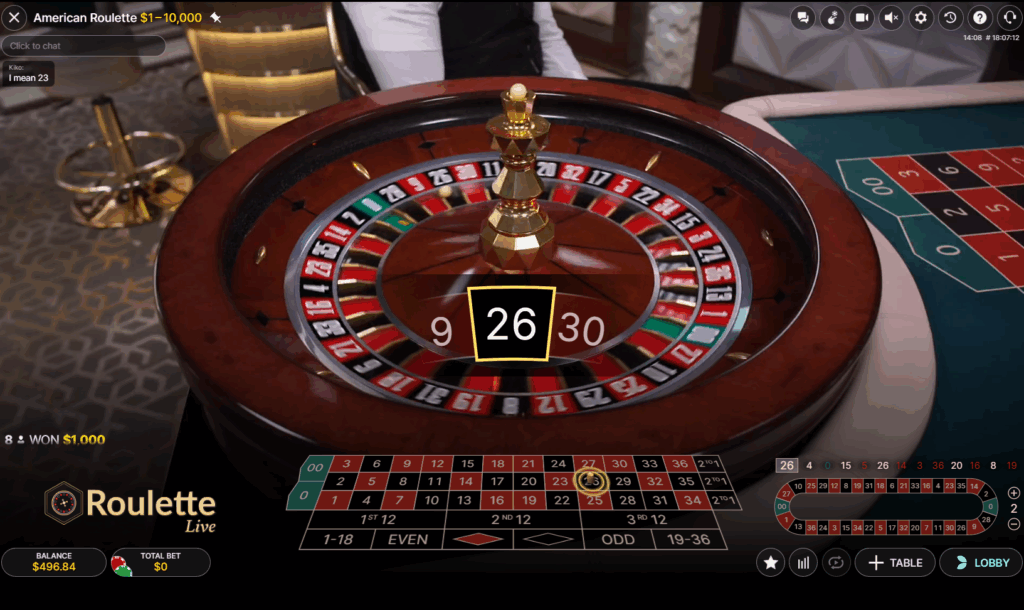
casinos tiradas gratis 2026 — giros gratis para nuevos jugadores
bingo online casino — números de la suerte | bingo online casino
Guía rápida de bingo casino sin descarga: preguntas y respuestas
¿Qué es bingo casino y cómo funciona?
bingo casino es una plataforma de bingo y lotería en línea donde puedes participar en sorteos y juegos de bingo de forma segura y sencilla.
casino 5 euros 2026 — depósito pequeño y juego justo
gran casino barcelona bono sin depósito — giros gratis | barcelona casino
¿Cómo puedo registrarme en bingo casino?
Solo tienes que crear una cuenta con tus datos personales, verificar tu identidad y realizar un depósito mínimo de €9 para empezar a jugar.
¿Qué juegos de bingo y lotería ofrece bingo casino?
Encontrarás una amplia variedad de salas de bingo, así como boletos de lotería nacional y sorteos especiales con premios atractivos.
¿Es seguro jugar en bingo casino?
Sí, bingo casino opera bajo la licencia DGOJ — Dirección General de Ordenación del Juego y utiliza sistemas de cifrado para proteger tus transacciones y datos personales.
¿Cómo funcionan los bonos y promociones en bingo casino?
bingo casino ofrece un bono de bienvenida de hasta bono de recarga del 300% y otras promociones, pero cada una tiene requisitos de apuesta (35x playthrough en 21 días) que debes cumplir antes de retirar tus ganancias.
bingo casino colabora con organizaciones de ayuda para la ludopatía.
casino nuevo 2026 — recomendaciones actuales
Herramientas de Autoexclusión de bingo casino
El juego está destinado exclusivamente a mayores de 18 años. bingo casino opera bajo la supervisión de la Dirección General de Ordenación del Juego (DGOJ), garantizando un entorno seguro y regulado. Si sientes que pierdes el control, puedes inscribirte en el Registro General de Interdicciones de Acceso al Juego (RGIAJ) para autoexcluirte de todas las plataformas. Además, organizaciones como FEJAR (900 200 225) ofrecen apoyo gratuito y confidencial. Te recomendamos establecer límites de depósito y tiempo, y jugar siempre como entretenimiento, nunca para recuperar pérdidas. Juega con responsabilidad.
casino bingo online — estrategias ganadoras | casino bingo online